



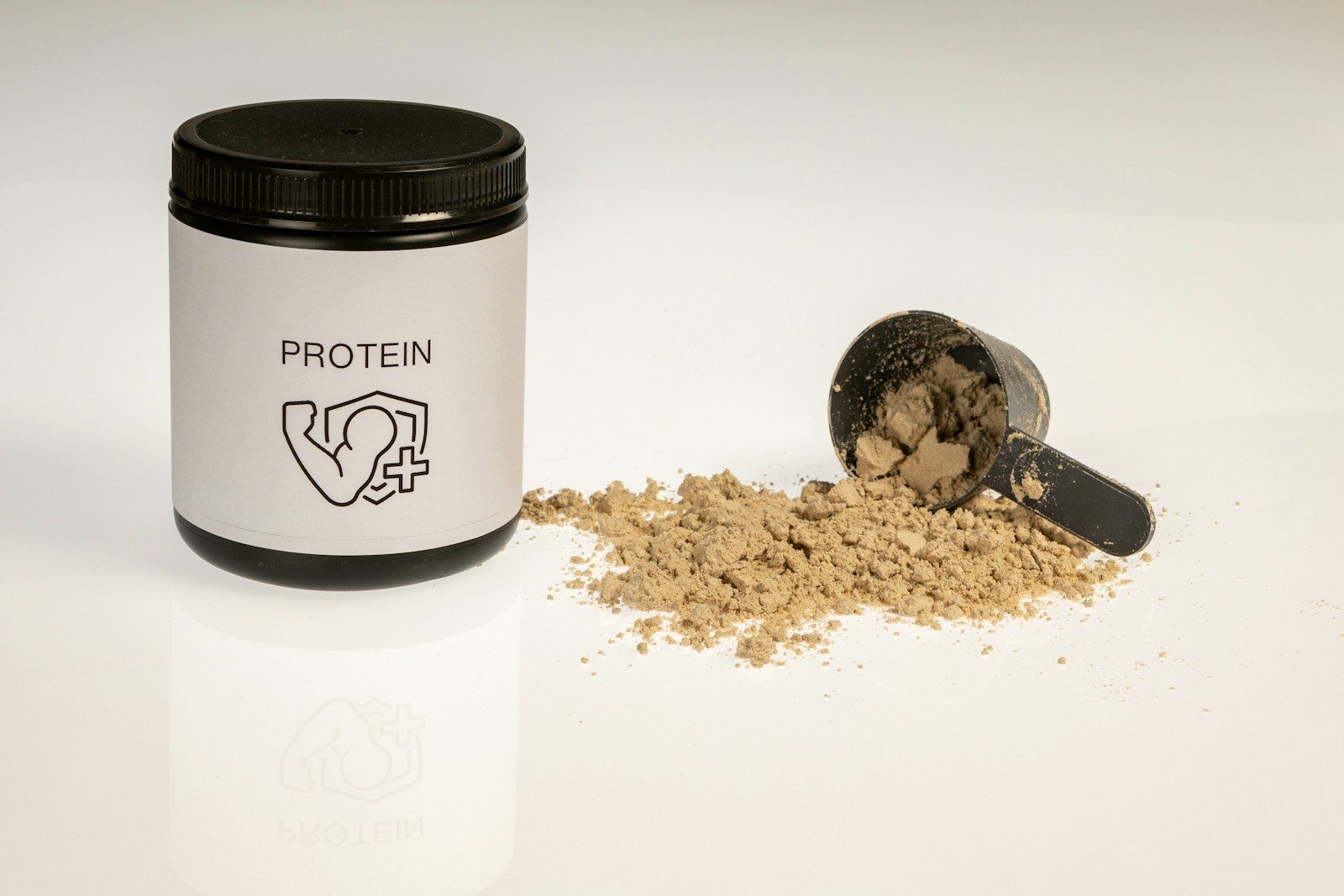
Alright, so you’re thinking about adding a vegan protein powder to your routine, or maybe you’ve tried one before and it wasn’t quite right. I get it. The market is absolutely flooded with options these days, and it can feel like a maze trying to figure out which one is actually worth your money and will help you reach your goals. Forget the chalky, gritty powders of the past; today’s vegan proteins are much better, but you still need to know what to look for. This isn’t just about finding a powder; it’s about finding the *right* powder for *you* in 2026.
Why Go Plant-Based for Your Protein Boost?
For a long time, whey protein was seen as the only serious option for building muscle or getting a quick protein fix. But things have changed. Many people are moving towards vegan protein powders, not just vegans, but also those who find dairy-based proteins upset their stomach or cause bloating. Plant-based proteins can be much easier on your digestive system. Plus, they’re a fantastic way to support your body if you’re aiming for general wellness, muscle growth, or even weight management.
Plants absorb what’s in the soil, so the quality of ingredients really matters. You want to pick a powder that’s clean and safe. Dietitians often emphasize checking the ingredient list for simplicity and looking for third-party testing for purity. This ensures you are not consuming unwanted substances like heavy metals or contaminants that plants can absorb from the soil.
The Main Players: What Kind of Plant Protein Are We Talking About?
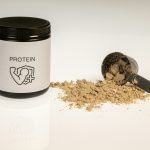
When you’re looking at vegan protein powders, you’ll see a few common sources. Each one has its own vibe and benefits, so knowing them helps you choose.
- Pea Protein: This is probably the most popular one you’ll encounter. It’s affordable and generally high in essential amino acids. Pea protein is usually easy to digest and hypoallergenic. It can be a bit gassy for some people, especially in larger amounts or if it has a lot of extra gums or sweeteners.
- Brown Rice Protein: This one has a mild flavor and is also usually easy on your stomach. It is often paired with pea protein in blends to make sure you get a complete amino acid profile. On its own, it might have a slightly gritty texture.
- Soy Protein: Soy is a big deal because it’s one of the few plant proteins that’s naturally “complete.” This means it has all nine essential amino acids your body needs. It mixes well and gives you a lot of protein for your money. However, some people avoid soy due to allergies or personal preference. In fact, in 2025, soy protein was still projected to be the most dominant source in the vegan protein powder market, holding almost half the market share.
- Hemp Protein: If you’re looking for more than just protein, hemp is a good choice. It brings along omega-3 and omega-6 fatty acids, fiber, and minerals like magnesium and iron. It tends to be lower in protein concentration compared to other options and has a pretty distinct, earthy taste.
- Blended Proteins: You’ll often see powders that mix a few different plant proteins, like pea and rice, or pea, pumpkin, and sunflower. This is a smart move because it helps create a “complete” amino acid profile. It makes sure you get all those essential building blocks your body needs. Many blends also add superfoods for extra nutrients.
What to Actually Look For on the Label
This is where you become a detective. Don’t just grab the first cool-looking tub. The label tells you everything.
Simple Ingredients Are Key
A long list of ingredients with names you can’t pronounce is a red flag. Registered dietitians suggest looking for formulas with minimal additives and artificial sweeteners. The unflavored version of Transparent Labs Organic Plant-Based Protein Isolate, for example, has only pea protein, rice protein, cocoa powder, natural flavors, rock salt, and stevia leaf extract. That’s the kind of simplicity you want.
Checking for “Complete” Protein
Your body needs nine essential amino acids it can’t make itself. A “complete” protein has all of them in good amounts. While animal proteins are naturally complete, many single plant proteins are not. That’s why those blends of pea and rice protein are so popular; they work together to give you a complete profile. Specifically, look for blends that provide adequate leucine, which is important for muscle protein synthesis.
Watch Out for Sweeteners and Fillers
Artificial sweeteners like sucralose and aspartame, and thickeners like xanthan gum or carrageenan, might cause digestive issues like bloating and gas. If you have a sensitive stomach, look for powders sweetened with natural options like stevia or monk fruit. Some brands even use organic coconut milk powder or maple syrup powder for sweetness.
Third-Party Testing and Certifications
This is super important for safety and quality. Third-party testing means an independent lab has checked the product for purity, potency, and contaminants. Since plants can absorb things from the soil, like heavy metals, this testing is crucial. Look for certifications like NSF Certified for Sport or Informed Sport, especially if you’re an athlete. These are the gold standard for verifying purity.
Matching Your Powder to Your Personal Goals
Different goals might mean different powders work best for you.
For Muscle Gain
If you’re hitting the gym hard, you’ll want a powder that supports muscle repair and growth. Look for options with a higher protein content, typically 20-30 grams per serving. Vega Performance Protein + Recovery, for instance, offers 30 grams of protein and 5 grams of BCAAs (branched-chain amino acids) per serving, along with pumpkin and sunflower seed protein for muscle repair and tart cherry for soreness. The combination of pea and rice protein in a blend is often considered the gold standard for muscle protein synthesis. You need to consume enough leucine, an amino acid, to trigger muscle protein synthesis effectively.
For Weight Management
Protein helps you feel full, which can be super helpful if you’re trying to manage your weight. Look for powders that offer a good amount of protein per serving while being lower in calories and added sugars. Legion Plant+ Protein Powder is noted as a good option for weight loss, partly because it helps with hunger. Powders with fiber can also make you feel more satisfied.
For Sensitive Stomachs or Allergies
Many people choose vegan protein to avoid dairy. But even plant-based options can have hidden triggers. Soy and gluten are common allergens. Some people find pea protein causes digestive issues. Check for powders specifically designed for sensitive stomachs, often highlighting simpler formulas without fillers or weird additives. Truvani Plant-Based Protein Powder, with its organic, simple ingredient panel, is a good choice if you have sensitivities. Always double-check labels for major allergens like soy, nuts, and gluten, and be aware of potential cross-contamination during manufacturing.
Making Your Vegan Protein Powder Taste Good
Let’s be real: some vegan protein powders can have an earthy or slightly less-than-amazing taste. But you don’t have to suffer through it.
Blend It Up
A regular shaker bottle might leave you with a gritty drink. Using a blender or stick blender will give you a much smoother texture. This makes a huge difference in how enjoyable your shake is.
Add Flavorful Ingredients
* **Fruits:** Bananas, berries, or mangoes add natural sweetness and a ton of nutrients. Frozen fruit can also make your shake colder and thicker, which can improve the taste and texture.
* Nut Butters: A spoonful of almond, peanut, or sunflower seed butter adds creaminess, healthy fats, and richness.
* Spices and Extracts: Cinnamon, nutmeg, or a dash of vanilla extract can seriously boost the flavor. Cocoa or cacao powder is great for chocolate lovers.
* Different Liquids: Instead of just water, try unsweetened almond milk, oat milk, or even cold-brew coffee for a different base. Some people even mix unflavored protein into savory broths.
* Natural Sweeteners: If your powder isn’t sweet enough for you, try a tiny bit of maple syrup or honey, or a natural sweetener like monk fruit.
Final Thoughts for Your Protein Journey
Choosing a vegan protein powder in 2026 doesn’t have to be complicated. Just focus on what your body needs and what tastes good to you. Pay attention to those labels, especially for certifications and simple ingredients. Don’t be afraid to experiment with different types and flavors. Finding the right one will make a big difference in how easily you stick to your goals and enjoy your healthy routine.