






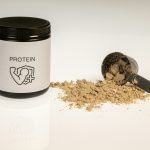
Let’s be real, finding a good vegan protein powder can feel like a quest. Too many of us have choked down a gritty, strangely flavored shake, wondering why we even bothered. But here’s the good news for 2026: plant-based protein powders have come a long way. You don’t have to suffer through chalky drinks anymore. You can absolutely find a delicious and effective vegan protein powder to fit your lifestyle and health goals.
The global plant-based protein market is booming, projected to hit $20.5 billion by 2029, which means more options and better quality are constantly emerging. This isn’t just about vegans, either. Lots of people are choosing plant-based options for sustainability, ethical reasons, or because they have sensitivities to dairy. So, let’s talk about how to navigate the choices and find a vegan protein powder you’ll actually look forward to drinking.
Why Vegan Protein Powder Matters for Your Goals
Before we jump into taste, let’s quickly cover why protein is so important. Protein helps build and repair muscles and tissues, supports your immune system, promotes healthy skin and hair, and keeps you feeling full. For active people or anyone looking to manage their weight, getting enough protein is key. Vegan protein powders offer a convenient way to boost your protein intake, especially if your diet already consists of many plant-based foods.
While some people worry about getting all essential amino acids from plants, modern vegan protein powders often blend different sources to create a complete amino acid profile. This means they give your body all the building blocks it needs, just like animal proteins. Research even shows that plant-based proteins can be just as effective as animal proteins for muscle building when you consume enough.
The Common Hiccups: Taste and Texture
Okay, let’s address the elephant in the room: why do some vegan protein powders taste so bad? A lot of it comes down to the source ingredients and how they’re processed. Many plant-based proteins, especially isolates, can have a naturally earthy or bitter flavor. They might also contain insoluble fiber, which can make your shake feel gritty.
Another culprit can be artificial sweeteners. These chemicals are often used to mask the natural taste of the protein, but they can leave a strange aftertaste or even cause digestive issues for some people.
Understanding Your Vegan Protein Sources
The type of plant protein in your powder really matters. Different sources offer unique benefits and amino acid profiles, and they can also affect the taste and texture.
Pea Protein: The Go-To
Pea protein is super popular, and for good reason. It comes from yellow split peas, is generally easy to digest, and is rich in branched-chain amino acids (BCAAs), especially leucine, which is vital for muscle growth. Many brands use pea protein as a base because of its creamy texture. Recent advances in processing have also helped reduce the earthy taste that pea protein sometimes had in the past.
Rice Protein: A Good Partner
Brown rice protein is another common player. While it’s lower in lysine, it’s a good source of methionine. This is why you often see pea and rice protein blended together. They complement each other perfectly, creating a complete amino acid profile that supports muscle recovery and growth.
Hemp Protein: Nutty and Fibrous
Hemp protein is a great source of omega-3 and omega-6 fatty acids, fiber, and minerals like magnesium and iron. It offers a moderate, complete protein profile. However, hemp protein can have a distinct nutty flavor and might not mix as smoothly as other options, sometimes leading to a grittier texture.
Soy Protein: Complete but Controversial
Soy protein isolate is a complete protein, meaning it has all nine essential amino acids. It mixes smoothly and provides good value. However, many people choose to avoid soy due to allergen concerns, potential GMOs, or worries about its impact on hormone levels. Modern research has largely debunked these hormone concerns for healthy adults consuming moderate amounts of soy protein.
Blends: Getting the Best of All Worlds
Many of the best vegan protein powders on the market today use blends of several plant proteins. This approach ensures a complete amino acid profile and can also improve the taste and texture. For example, blends might combine pea, rice, hemp, and even pumpkin seed or sunflower seed protein. Some premium blends even add superfoods like spirulina or chlorella for extra nutrients.
What to Look For When Buying Vegan Protein Powder in 2026
Now that you know the basics, let’s get into the specifics of choosing a powder you’ll love. Registered dietitians emphasize that the ingredient list is one of the most important places to start.
Check for Complete Protein Profiles
Your body needs all nine essential amino acids. If a powder uses a single plant protein like just rice protein, it might be missing one. Look for blends of complementary proteins, like pea and rice, or powders that explicitly state they have a complete amino acid profile.
Prioritize Clean Ingredients
You want protein, not a bunch of junk. Look for powders with minimal additives and artificial sweeteners. Brands like Truvani are praised for their simple, organic ingredient panels with no fillers or weird additives.
Sweeteners Matter
If you prefer a sweetened powder, check what they use. Natural sweeteners like stevia or monk fruit are generally preferred over artificial ones like sucralose or aspartame, which can cause digestive issues or strange aftertastes. Some excellent options, like Ora Organics, are even stevia-free for those who dislike its taste.
Third-Party Testing for Purity
This is a big one. Plants absorb things from the soil, so your vegan protein could potentially contain substances you don’t want, like heavy metals. Look for brands that offer third-party testing results for purity, potency, and contaminants. Transparent Labs and Momentous are good examples of brands that make these results accessible.
Digestibility and Gut Health
Some people find certain plant proteins harder on their stomachs. Pea and rice blends are often easier to digest. If you have a sensitive stomach, look for powders designed for easy digestion, or those that include digestive enzymes. Truvani Plant-Based Protein Powder is recommended for sensitive stomachs due to its simple, organic ingredients and pea and chia seed protein sources. Starting with small servings can also help you gauge your tolerance.
Mixability and Texture
Nobody wants a lumpy shake. Quality powders should dissolve smoothly without clumps or gritty residue when shaken with water. Pea protein is known for its creamy texture. Reading reviews that mention mixability is a good idea. Brands like Naked Pea Premium Pea Protein have been praised for good mixability.
Protein Content per Serving
For muscle building, aim for 20-25 grams of protein per serving, with at least 2 grams of leucine. Powders like Vega Performance Protein + Recovery offer 30 grams of protein and 5 grams of BCAAs per serving.
Ingredients to Be Wary Of (Still in 2026)
Even with improvements in the market, some ingredients are best avoided in your vegan protein powder.
- Artificial Sweeteners: Sucralose, aspartame, dextrose, fructose, or Splenda can cause headaches, stomach issues, or a bitter aftertaste.
- Soy Protein (for some): While soy is a complete protein, most soy is genetically modified and can contain pesticides. Some people also avoid it due to estrogen-mimicking compounds or digestive sensitivities.
- Heavy Metals/Carcinogens: This is a serious concern. Studies have found lead, arsenic, cadmium, and BPA in many popular plant-based powders. Always check for third-party testing to ensure purity.
- Fillers: Ingredients like maltodextrin, inulin, carrageenan, coconut flour, psyllium, or dextrin are often added to bulk up powders and cut costs. They don’t add nutritional value and can cause bloating, constipation, or acid reflux. Carrageenan, in particular, has been linked to inflammatory bowel conditions.
- Proprietary Blends: If a label lists a “protein blend” without showing the exact amounts of each ingredient, you can’t be sure what you’re really getting. Transparency is key for clean eating.
Making Your Vegan Protein Shake Delicious
Even with a great powder, sometimes you want to jazz things up. Here are some tricks to make your shakes taste amazing:
Liquid Base Matters
Forget plain water if you want creaminess. Use unsweetened almond milk, oat milk, or coconut water. These liquids can significantly improve the texture and mask any subtle off-flavors.
Blend it Up
A high-speed blender is your best friend for a smooth, creamy shake without clumps. Add liquid first, then the powder, and then any other ingredients to help it blend better.
Frozen Fruit is a Game Changer
Adding frozen fruits like bananas, berries, or mango not only makes your shake colder and thicker, but it also adds natural sweetness and a burst of flavor. Frozen spinach or kale can also add nutrients without strongly affecting the taste.
Flavor Boosters
Get creative with additions:
- Cocoa powder: For a rich chocolate taste without extra sugar.
- Nut butters or peanut butter powder: Adds creaminess, healthy fats, and a satisfying nutty flavor.
- Spices: Cinnamon, nutmeg, or even a tiny pinch of cayenne can add warmth and depth.
- Extracts: Vanilla, almond, or coconut extracts can enhance flavors with almost no calories.
- Natural sweeteners: If your powder isn’t sweet enough, a small amount of dates, honey, or maple syrup can help.
Pro Tips for Consistency
To avoid lumps, use cold liquid and add the liquid before the powder. If you’re still getting clumps, try making a paste with a small amount of liquid and the powder first, then add the rest of your liquid. Letting your shake sit for a minute or two after blending can also help it thicken and settle.
Top Picks and Trends for 2026
Several brands are consistently recommended by dietitians and testers in 2026 for their quality, taste, and effectiveness:
- Transparent Labs Organic Plant-Based Protein Isolate: Often cited as a best overall choice for its simple ingredients and third-party testing.
- Vega Performance Protein + Recovery: Great for muscle gain with 30g of protein and 5g of BCAAs, and a well-rounded blend of pea, pumpkin, and sunflower seed protein.
- Truvani Plant-Based Protein Powder: Recommended for sensitive stomachs due to its clean, organic ingredient list and easy-to-digest pea and chia seed proteins. It’s also noted for good taste.
- Legion Plant+ Protein Powder: A top pick for weight loss.
- Momentous 100% Plant Protein Powder: Praised for muscle recovery and performance, and certified by NSF for Sport. Their vanilla spice flavor blends well into smoothies.
- Garden of Life Sport: Offers a complete amino acid profile, is organic, and has a good flavor that mixes well.
- Nuzest Clean Lean Protein: Excellent for sensitive stomachs because it uses a single protein source (European golden pea isolate) and has a very short ingredient list, along with superior mixability.
- Orgain Organic Protein: A budget-friendly option that delivers good quality, with vanilla bean often praised for smoothie use.
The plant-based protein market is shifting from just imitating meat to focusing on natural nutrition and holistic well-being. Consumers in 2026 are looking for products with clear labels, minimal processing, and organic certification. This means you can find products that are not only effective but also align with a cleaner, more sustainable lifestyle.
Your Next Step to a Better Shake
Finding a vegan protein powder that you genuinely enjoy can make a big difference in reaching your health and fitness goals. Don’t be afraid to try different brands and flavors. Start with small quantities or sample packs to test the taste and how your body reacts before buying a huge tub. Mix it with your favorite plant milk and frozen fruits, and you might just discover your new favorite post-workout treat or meal booster.