







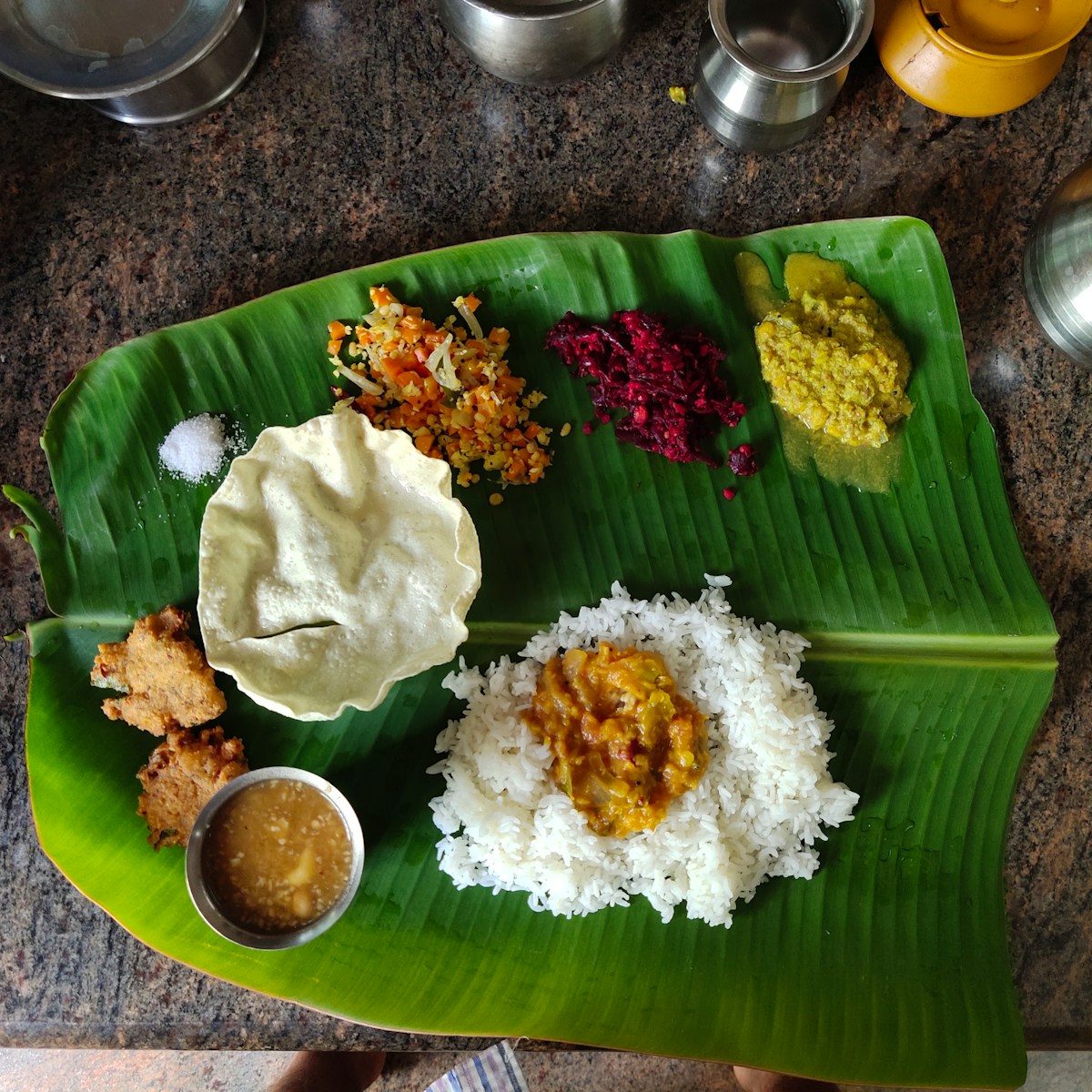
Indian food is amazing, right? It’s full of flavors and spices that can really wake up your taste buds. If you’ve ever wanted to try making it at home or just understand it better, you’re in the right spot. We’re going to talk all about Indian food, from its famous dishes to how it’s made. Let’s get started!
Why Indian Food is So Popular
Indian food is loved all over the world, and for good reason. It’s not just one type of food; India is a huge country with many different regions, and each one has its own special dishes. This means there’s always something new and exciting to try.
The use of spices is what makes Indian food really stand out. Think of things like turmeric, cumin, coriander, and garam masala. These aren’t just for heat; they create deep, complex flavors that are hard to find anywhere else. People also love how colorful Indian food is, with dishes often looking as good as they taste.
Must-Try Indian Dishes
If you’re new to Indian food, there are a few dishes you absolutely have to try. They are popular for a reason and give you a great introduction to the cuisine.
Butter Chicken (Murgh Makhani)
This is probably one of the most famous Indian dishes. It’s made with chicken cooked in a rich, creamy tomato sauce. The sauce is spiced just right, with a little bit of sweetness and a lot of flavor. It’s usually served with naan bread or rice.
Chicken Tikka Masala
Another incredibly popular dish, chicken tikka masala features marinated pieces of chicken cooked in a spiced, creamy, orange-colored tomato sauce. It’s a crowd-pleaser for sure! Many people think it’s a British invention, but its roots are deeply tied to Indian cooking.
Biryani
Biryani is a rice dish that’s a meal in itself. It’s made by layering fragrant basmati rice with marinated meat (like chicken, lamb, or goat) or vegetables. It’s cooked slowly, allowing all the flavors to blend together beautifully. There are many regional variations, each with its own unique spices and cooking style.
Dosa
If you’re looking for something from South India, a dosa is a great choice. It’s a thin, crispy pancake made from fermented rice and lentil batter. Dosas are often served with sambar (a lentil and vegetable stew) and various chutneys (dips). You can have plain dosas or ones filled with spiced potatoes (masala dosa).
Samosas
These are popular fried or baked pastries with a savory filling, most commonly spiced potatoes, onions, peas, and sometimes lentils or meat. They are a fantastic snack or appetizer, often served with mint or tamarind chutney.
Understanding Indian Spices
Spices are the heart and soul of Indian cooking. They are used in specific ways to create different flavors and aromas. Let’s look at a few key spices:
- Turmeric: Gives food a beautiful yellow color and has a warm, earthy flavor. It’s also known for its health benefits.
- Cumin: Has a strong, warm, and slightly bitter taste. It’s used whole or ground in many dishes.
- Coriander: The seeds are ground into a powder that has a mild, sweet, and citrusy flavor. It’s often used with cumin.
- Garam Masala: This is a blend of ground spices. The exact mix can vary, but it often includes cardamom, cinnamon, cloves, and black pepper. It’s usually added towards the end of cooking to keep its fragrance.
- Cardamom: Comes in green and black varieties. Green cardamom is more common and has a sweet, floral taste. Black cardamom is smokier and stronger.
- Chili Peppers: Used fresh or dried, they add heat to dishes. The amount used can range from mild to very spicy.
Learning to use these spices takes practice, but it’s very rewarding. You can start with pre-made spice blends like garam masala and then explore individual spices.
Cooking Indian Food at Home
Making Indian food at home might seem a little daunting at first, but it’s actually quite manageable. You don’t need a huge pantry full of exotic ingredients to start.
Essential Equipment
You probably have most of the cooking tools you need already. A good heavy-bottomed pot or Dutch oven is great for curries. A non-stick skillet is useful for making flatbreads or sautéing. You might also want a spice grinder if you plan to use whole spices.
Getting the Ingredients
Many Indian ingredients are now easy to find in regular supermarkets, especially in larger cities. Look for basmati rice, lentils, and common spices like cumin and turmeric. For more specific items, an Asian grocery store or an online Indian food store is your best bet. You can find all sorts of wonderful things there.
Starting with Simple Recipes
Don’t try to make the most complicated dish first. Start with something like a simple lentil dal or a basic chicken curry. Follow recipes closely at first. As you get more comfortable, you can start experimenting with flavors and spice levels.
For example, a basic dal recipe usually involves boiling lentils with water, turmeric, and salt. Then, you can add a ‘tadka’ or tempering of spices like cumin seeds, mustard seeds, and chilies fried in oil or ghee. It sounds simple, but the flavors are incredible.
Indian Bread: The Perfect Companion
Indian meals are often incomplete without bread. Breads are used to scoop up delicious curries and sauces. Here are a few popular ones:
- Naan: A soft, leavened flatbread, often cooked in a tandoor (a clay oven). It’s delicious brushed with butter or garlic.
- Roti/Chapati: An unleavened whole wheat flatbread. It’s a staple in many Indian homes and is healthier than naan.
- Paratha: A layered flatbread, often shallow-fried. It can be plain or stuffed with ingredients like potatoes, paneer (Indian cheese), or vegetables.
Making these at home can be a fun kitchen activity. Roti is probably the easiest to start with, as it doesn’t require yeast. You just need whole wheat flour, water, and a little salt.
Vegetarian Delights in Indian Cuisine
India has a rich tradition of vegetarianism, so there are countless amazing vegetarian dishes. Many people choose to eat vegetarian for religious or personal reasons, and the cuisine offers so much variety.
Paneer Dishes
Paneer is a fresh, non-melting Indian cheese. It’s a great source of protein for vegetarians. Dishes like Palak Paneer (paneer in a spinach sauce) and Matar Paneer (paneer with peas in a tomato-based sauce) are very popular.
Lentil Dishes (Dal)
As mentioned before, dals are a huge part of Indian food. There are many types of lentils, and each dal recipe is unique. From simple yellow dal to rich, creamy black dal (like Dal Makhani), lentils are a healthy and filling option.
Vegetable Curries
From potatoes and cauliflower (Aloo Gobi) to mixed vegetables cooked in a flavorful sauce, there’s a vegetarian curry for everyone. These dishes are packed with spices and are incredibly satisfying.
Exploring Regional Indian Flavors
India’s geography and culture mean that food varies a lot from north to south and east to west. If you want to truly appreciate Indian food, try exploring these regional differences.
North Indian Food
This is what many people outside India think of as “Indian food.” It often features creamy curries, tandoori dishes (cooked in a clay oven), and breads like naan and roti. Dairy products like yogurt, paneer, and ghee are common.
South Indian Food
Rice is the staple here. Dishes are often lighter and spicier, with a focus on lentils, vegetables, and coconut. Think dosas, idlis (steamed rice cakes), sambar, and flavorful chutneys. Seafood is also popular in coastal South Indian regions.
East Indian Food
This region uses a lot of mustard oil and has a love for sweets. Fish and rice are common. Dishes can have a distinct spicy and sour flavor profile.
West Indian Food
This diverse region includes states like Gujarat, Maharashtra, and Goa. Gujarati food is often subtly sweet and vegetarian. Maharashtrian food can be quite spicy. Goan cuisine is known for its seafood and Portuguese influences, with dishes often featuring coconut and vinegar.
Tips for Enjoying Indian Food
Whether you’re eating out or cooking at home, here are some tips:
- Don’t be afraid of spice: Indian food is known for its spices, but not all dishes are very hot. Start with milder options and ask for less spice if you’re unsure.
- Try different breads: Breads are essential for enjoying curries. Experiment with naan, roti, and paratha.
- Order a variety: When eating with others, order a few different dishes to share. This lets you try more flavors.
- Pair with drinks: Lassi, a yogurt-based drink, is a popular accompaniment to Indian meals and can help cool your palate.
- Explore desserts: Indian desserts are often rich and sweet, made with ingredients like milk, sugar, and nuts. Gulab Jamun (fried milk dumplings in syrup) and Kheer (rice pudding) are delicious choices.
Exploring Indian food is a delicious adventure. It’s a cuisine that’s as diverse as the country itself, offering something for everyone. Whether you’re a seasoned foodie or just starting out, there’s always a new flavor to discover. So, go ahead and try that curry you’ve been curious about, or perhaps try finding the best insurance company in USA for you if that’s something on your mind, but for now, let’s focus on these amazing tastes! Remember, cooking is a journey, and with Indian food, it’s a particularly flavorful one. You can find more great recipes and cooking tips on sites like Multi Niche, which covers all sorts of interesting topics. Happy eating!